



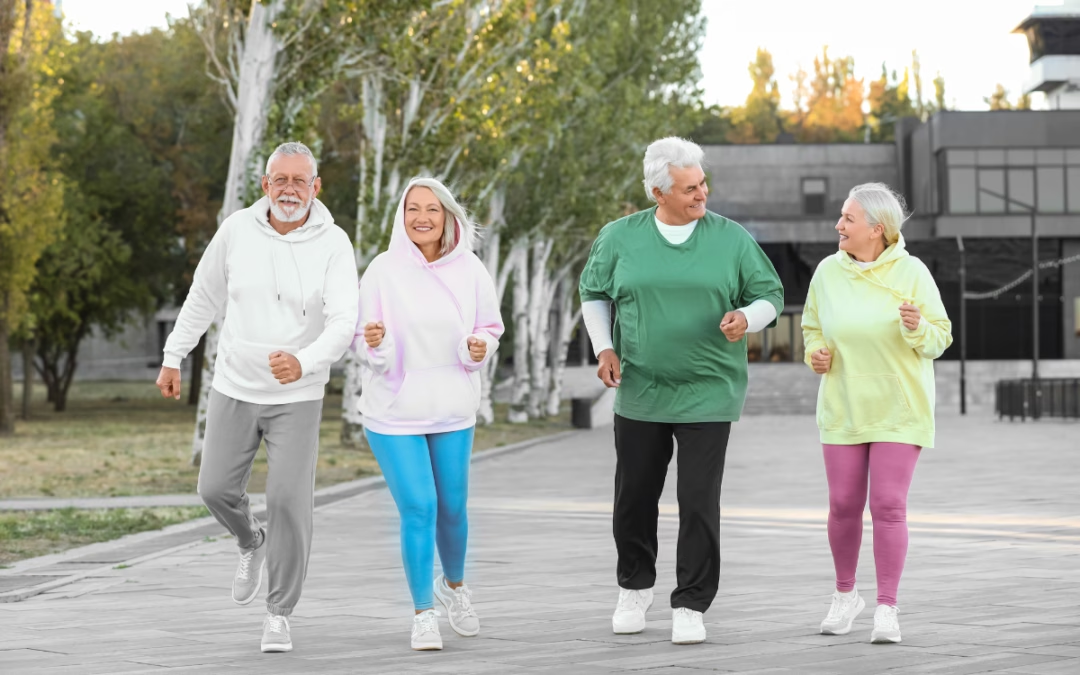
Have you ever observed how much better you feel after engaging in a favorite activity, taking a stroll, or having a meaningful conversation? As people age, their sense of engagement and connection doesn’t diminish; on the contrary, it becomes even more crucial. Maintaining physical, mental, and social engagement is crucial for older persons to preserve their independence, elevate their mood, and improve their general quality of life.
A lot of people think that if their family member moves into a senior care community in Greeley, Colorado, it will mean they won’t be able to do as much as they used to. But the truth is, the right community can actually give them more chances to try new things, meet new people, and find new meaning in their lives. It’s not about limiting their lifestyle, it’s about opening up new doors and possibilities.
At Grace Pointe Senior Care Community, people are helped to stay active in things they like and can do. Some like doing things with a group, some like quiet activities, and some just like talking to their neighbors. The aim is to make a place where people feel happy and supported, and where getting involved feels easy and fun.
The Link Between Activity and Independence in Senior Living
Remaining active is one of the most effective ways to maintain independence as we age. Regular movement and social interaction support both physical health and cognitive function.
Benefits of Staying Active in Assisted Living
Older adults who stay engaged often experience:
- Improved balance and mobility
- Stronger muscles and joints
- Better memory and cognitive function
- Reduced risk of depression and anxiety
- Increased confidence and independence
- Better sleep and overall wellness
These benefits are especially important in assisted living communities, where the goal is to help residents maintain as much autonomy as possible while receiving support when needed.
What Does an Active Lifestyle Look Like in Assisted Living?
An active lifestyle doesn’t mean intense exercise or a packed schedule. It simply means participating in meaningful activities that promote movement, connection, and enjoyment.
Common Activities in Assisted Living Communities
Residents may participate in:
- Group fitness or chair exercise classes
- Walking clubs
- Arts and crafts
- Music and entertainment programs
- Book clubs
- Gardening
- Game nights
- Educational workshops
- Social gatherings and celebrations
These activities are designed to be flexible, allowing residents to join when they feel comfortable and at their own pace. At Grace Pointe, participation is always a choice. Residents decide how involved they want to be, helping them maintain control over their daily routines.
How Social Connection Supports Emotional Well-Being
Loneliness and isolation can have a significant impact on health, particularly for older adults living alone. Social engagement helps reduce stress, boost mood, and create a sense of belonging.
Signs a Senior May Benefit from More Social Interaction
Watch for changes such as:
- Spending more time alone
- Loss of interest in hobbies
- Decreased communication with family or friends
- Feelings of sadness or withdrawal
- Reduced energy or motivation
The Role of Physical Activity in Preventing Falls
Falls are one of the most common causes of injury among older adults!
Simple Activities That Improve Safety
Even light movement can make a big difference, such as:
- Walking short distances daily
- Stretching exercises
- Balance training
- Gentle strength exercises
- Participating in guided fitness programs
In an assisted living environment, staff members are available to provide supervision and assistance when needed, helping residents stay safe while remaining active.
Personalized Activity Plans: One Size Does Not Fit All
Every resident has unique interests, abilities, and goals. That’s why personalized activity planning is an essential part of quality senior care.
How Activity Plans Are Developed
Care coordinators work closely with residents to understand:
- Physical abilities
- Health conditions
- Personal interests
- Social preferences
- Energy levels
- Mobility needs
This individualized approach ensures that activities remain enjoyable, safe, and meaningful. Residents at Grace Pointe Senior Care Community can continue favorite hobbies or discover new ones, all within a supportive environment.
Creating a Living Space That Encourages Comfort and Engagement
Feeling comfortable in one’s surroundings plays a major role in staying active and engaged. When residents can personalize their living space, they feel more at home and more motivated to participate in daily life.
Ways Residents Personalize Their Space
Many residents choose to:
- Bring favorite furniture or decorations
- Display family photos
- Arrange belongings for comfort and convenience
- Create a familiar and welcoming atmosphere
A comfortable living environment promotes confidence, independence, and emotional well-being.
The Importance of Routine in Assisted Living
Routine provides structure and predictability, which can be especially helpful for older adults managing health changes or memory concerns.
Benefits of a Consistent Daily Routine
A structured schedule can help:
- Reduce stress and anxiety
- Improve sleep patterns
- Support medication adherence
- Enhance memory and focus
- Increase overall stability
At the same time, flexibility is equally important. Residents should have the freedom to adjust their routine based on personal preferences.
How Families Can Encourage Activity and Engagement
Family involvement plays a valuable role in helping seniors stay active and connected.
Practical Ways to Support a Loved One
Consider:
- Visiting regularly
- Participating in community events
- Encouraging hobbies
- Celebrating milestones together
- Maintaining open communication
A Simple Step-by-Step Guide to Staying Active in Assisted Living
Step 1: Start Small
Choose one activity that feels comfortable, such as a short walk or group game.
Step 2: Build a Routine
Participate in activities at the same time each day or week.
Step 3: Stay Social
Connect with neighbors, staff members, or visiting family.
Step 4: Listen to Your Body
Adjust activity levels based on energy and comfort.
Step 5: Celebrate Progress
Recognize improvements in strength, confidence, and mood.
Frequently Asked Questions About Activity in Assisted Living
How often should seniors participate in activities?
Most experts recommend daily movement and regular social interaction, even if activities are brief.
Are activities required in assisted living?
No. Participation is always voluntary. Residents choose the activities that interest them.
What if a resident has limited mobility?
Activities can be adapted to match individual abilities, including seated exercises and one-on-one engagement.
Does staying active really improve health?
Yes. Research shows that physical and social engagement supports better physical health, mental well-being, and independence.
Take the Next Step Toward a Healthier, More Connected Lifestyle
Whether you’re looking for independent living, assisted living, memory care, skilled nursing care or rehabilitation following a hospital stay, you’ve found the right place. Or maybe you’re not sure exactly what these different services mean. Grace Pointe can answer your questions and help you every step of the way.
Sometimes, even with all the information available online, there’s no substitute for a personal chat. Choosing the right place to live, especially when you’re looking for a healthy and comfortable environment, can be a tough decision. It’s nice to be able to talk things over with someone who can help you figure out what’s best for you.
Please call (970) 304-1919, we’re here to help.